Understanding Equipment Choices
Yes, but only for a very short period of time. Typically, batteries are sufficient for up to two hours. Long-duration batteries are prohibitively expensive, making backup generators as a better solution for outages exceeding two hours.
Batteries are less expensive if you do not need to run on backup power for more than a couple of hours. If you need to run longer, then a fuel-based generator is required.
Backup generators are very seldomly used, and when properly maintained a top-quality generator can easily last 25 years.
This is one of the most over-hyped terms used in the marketplace, and its use causes such confusion that a number of organizations, including the Federal Government, are now trying to establish an clear and comprehensive definition (which has not succeeded). In its most simplistic form, a Microgrid is a combination of load and generation that can interoperate with the grid or disconnect from the grid and continue to operate without making compromises.
Our contract stipulates that we only use new Tier-One equipment. You can rest assured that you will get the best equipment when ownership passes to you at the end of the service contract. In addition, our capital providers require us to use high-quality equipment covered by long-term maintenance contracts. Lastly, Concierge Power & Capital makes most of its profit using the generator to sell services to the grid. We, therefore, have an incredible incentive to ensure the generator always works, so we only purchase the best.
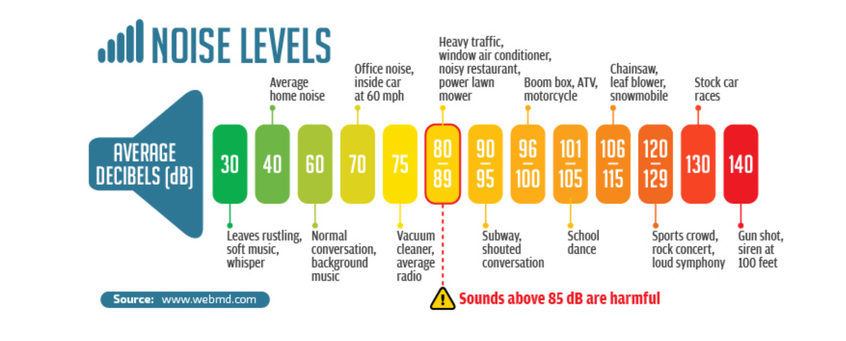
Generators are not whisper quiet; however, we utilize noise attenuating enclosures and will work closely with you to take advantage of natural noise abatement characteristics of your property. The following graph describes what you may hear with recognizable examples, and as a function of distance from the generator. Most generators have a noise level between 65 and 70 decibels at 20 feet.